

What are the latest coworking space design trends for 2025?
Latest Coworking Space Design Trends 2025
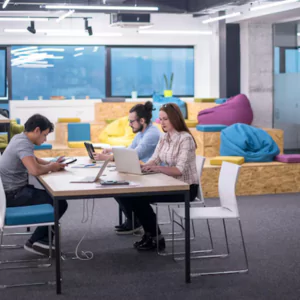
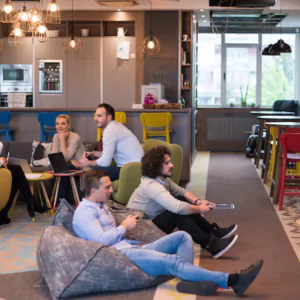
The concept of coworking spaces has evolved significantly over the previous decade, transforming from simple shared offices to dynamic, multifunctional environments that cater to the numerous needs of modern professionals. As we look in advance,coworking space design is set to embrace even greater innovative trends, focusing on flexibility, sustainability, and technology integration coworking space design trends.
These trends are no longer just about aesthetics but also about growing spaces that foster productivity, collaboration, and well being. In this article, we explore the latest coworking area design trends including revolutionary layouts, flexible furniture, biophilic design, and advanced tech integration.
Innovative Layouts: Redefining Space Utilization
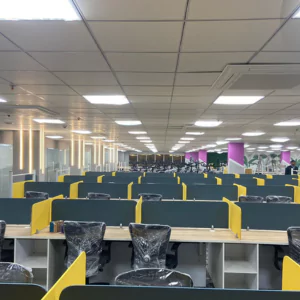
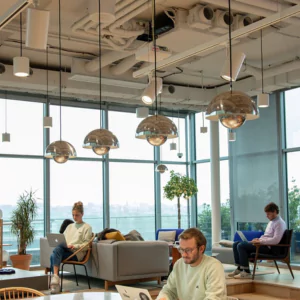
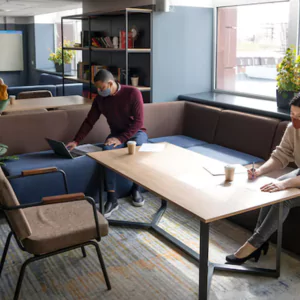
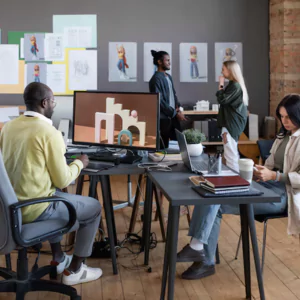
One of the most significant traits in coworking space design for the shift toward revolutionary layouts that maximize space utilization while promoting collaboration and privacy. Traditional open plan workplaces are being reimagined to include a mix of shared and private areas, catering to specific work styles and tasks.
Zoned Workspaces: Coworking spaces are increasingly adopting zoned layouts, dividing the location into distinct sections for focused work, collaborative projects, and social interactions coworking space design trends. For instance, quiet zones with soundproof booths are ideal for deep work, while open lounges encourage networking and brainstorming.
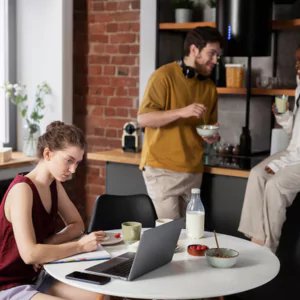
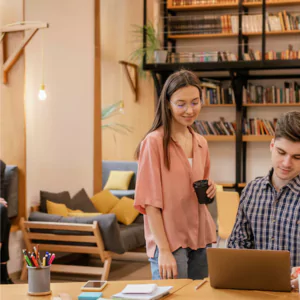
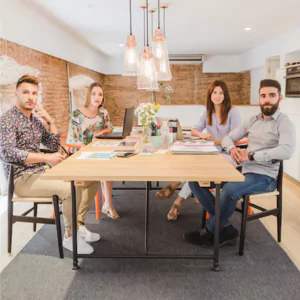
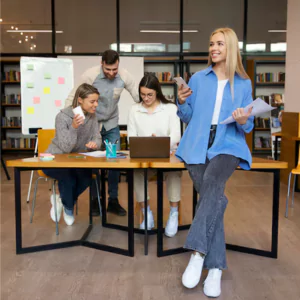
Modular Design: Modular layouts permit spaces to be easily reconfigured based on the desires of the users. Movable walls, foldable partitions, and adaptable furniture enable coworking spaces to host events, workshops, or conferences without requiring permanent structural changes.
Flexible Furniture: Adapting to Dynamic Needs
Flexibility is at the core of coworking space design, and this extends to the furniture used inside these environments.flexible furniture will play a pivotal role in growing adaptable and ergonomic workspaces.
Multi Functional Furniture: Desks that double as whiteboards, chairs with built in storage, and foldable tables are becoming staples in coworking spaces. These pieces save area and allow users to customize their workstations primarily based on their needs. For example, a single workstation can be converted into a small meeting region by folding out additional seating coworking space design trends.
Ergonomic Solutions: As remote and hybrid work fashions continue to rise, coworking spaces are prioritizing ergonomic furniture to aid user health and comfort. Adjustable standing desks, lumbar support chairs, and monitor palms are essential for preventing strain throughout long work hours. Some coworking spaces are even offering ergonomic assessments to assist members set up their workstations optimally.
Lightweight and Portable Designs: Furniture that is easy to move and rearrange is gaining popularity. Lightweight chairs, rolling desks, and stackable stools allow quick reconfigurations, making coworking spaces more versatile. This is mainly useful for spaces that host a variety of events, from workshops to networking sessions.
Biophilic Design: Bringing Nature Indoors
Biophilic design, which integrates herbal elements into built environments coworking space design trends, is a key trend in coworking areas for this approach not only enhances the aesthetic enchantment of spaces but also boosts intellectual well being and productivity.
Natural Materials: The use of wood, stone, and other natural materials in flooring, furniture, and decor creates a heat and inviting atmosphere. These materials also contribute to sustainability, a developing concern for coworking space operators and users alike. For instance, reclaimed timber tables and stone accent walls are popular choices.
Indoor Plants: Greenery is a hallmark of biophilic design. From potted plants to vertical gardens, incorporating vegetation into coworking spaces improves air quality and creates a calming environment. Some spaces are even experimenting with living partitions that act as natural air purifiers coworking space design trends.
Activity Based Working (ABW): This approach tailors spaces to particular activities, such as brainstorming, client meetings, or relaxation. ABW ensures that every corner of the coworking house serves a purpose, enhancing efficiency and user satisfaction coworking space design trends.For instance, a relaxed corner with bean bags and soft lighting fixtures might be designated for informal discussions, whilst a high tech conference room is reserved for formal presentations.
Tech Integration: Smart Workspaces for the Future
Technology is a driving force in the back of the evolution of coworking spaces tech integration will be more seamless and sophisticated, offering users a related and efficient work experience.
Smart Desks and IoT: Internet of Things (IoT) enabled furniture, such as smart desks with built in charging stations and adjustable settings, will become commonplace. These desks can sync with users’ devices, permitting personalized comfort and convenience. For example, a smart desk may adjust its height automatically based totally on the user’s preferences or remind them to take breaks.
Virtual and Augmented Reality: VR and AR technologies are being integrated into coworking spaces for digital meetings, training sessions, and collaborative projects coworking space design trends.These tools bridge the gap between far flung and in person work, offering immersive experiences. For instance, a remote team member can be a part of a brainstorming session via a VR headset, feeling as though they are physically present.
Energy Efficient Solutions: Smart lighting, local weather control, and energy management systems are being carried out to reduce the environmental impact of coworking spaces. These technologies now not only lower operational costs but also align with the growing demand for sustainable practices. Motion sensor lights and automated thermostats are examples of energy saving features.
Sustainability: A Core Design Principle
Sustainability is no longer an elective feature but a fundamental factor of coworking space design eco friendly practices and materials will dominate the industry coworking space design trends.
Recycled and Upcycled Materials: Designers are increasingly the usage of recycled and upcycled materials for furniture, decor, and construction. This not only reduces waste but also adds a unique, eco conscious aesthetic to spaces. For example, chairs made from recycled plastic or tables crafted from reclaimed wood are becoming popular.
Renewable Energy Sources: Solar panels, wind turbines, and other renewable energy solutions are being built into coworking spaces to minimize their carbon footprint. Some spaces are even exploring partnerships with nearby energy providers to source hundred percent renewable energy.
Community Centric Design: Fostering Collaboration and Connection
Coworking spaces are more than just locations to work; they are communities design trends will emphasize creating environments that foster connection and collaboration.
Social Hubs: Common areas like cafes, lounges, and recreation rooms are being designed to encourage interaction among members coworking space design trends.These areas serve as informal meeting points the place ideas can be exchanged freely. For instance, a coffee bar with communal seating might come to be the heart of the coworking space.
Event Spaces: Dedicated areas for workshops, seminars, and networking events are becoming well known features. These spaces are equipped with the latest audiovisual science to support a variety of activities. Some coworking spaces are even supplying hybrid event solutions, allowing both in person and digital attendees to participate.
Local Art and Culture: Incorporating local art, cultural elements, and community driven initiatives into coworking spaces helps create a sense of belonging and identity. This fashion also supports local artists and businesses coworking space design trends. For example, a coworking house might feature rotating art famous or host pop up shops for local entrepreneurs.
Wellness Oriented Spaces: Prioritizing Mental and Physical Health
The well being of coworking space customers is a top priority in Design trends are more and more focused on creating environments that promote mental and physical health.
Wellness Rooms: Dedicated spaces for meditation, yoga, or relaxation are becoming essential. These rooms grant a quiet retreat for users to recharge and de stress. Some coworking spaces are even imparting guided meditation sessions or wellness workshops.
Fitness Facilities: On site gyms, cycling studios and well being programs are being integrated into coworking spaces to motivate a healthy lifestyle. For instance, a coworking space might accomplice with a local fitness studio to offer discounted memberships or host weekly yoga classes coworking space design trends.
Acoustic Design: Soundproofing and acoustic redress are being used to minimize noise pollution, creating a more peaceful and focused work environment. This is particularly important in open plan layouts, the place noise can be a distraction.
Personalization: Tailoring Spaces to Individual Needs
Personalization is a growing trend in coworking space design, permitting users to create workspaces that reflect their preferences and work styles.
Customizable Workstations: Adjustable lighting, temperature controls, and personalized decor selections enable users to tailor their workstations to their liking. For example, a user may choose a standing desk with a built in plant holder or a hot desk with a specific color scheme coworking space design trends.
Membership Tiers: Coworking areas are offering tiered membership plans that provide access to specific levels of amenities and services, catering to diverse desires and budgets. For instance, a basic plan might encompass access to shared workspaces, while a premium sketch offers private offices and extra perks like free coffee or event discounts.
Conclusion
The coworking space diagram trends of reflect a broader shift toward flexibility, sustainability, and user centricity. By embracing progressive layouts, flexible furniture, biophilic design, and advanced technology, coworking spaces are evolving into dynamic environments that meet the wants of modern professionals. These trends not solely enhance the functionality and aesthetics of coworking spaces however also contribute to the well being and productivity of their users coworking space design trends. As the demand for coworking areas continues to grow, these design innovations will play a crucial position in shaping the future of work.