

What is the future of remote work in coworking spaces?
The Future of Remote Work in Coworking Spaces


Remote work, once a perk for a select few, has become a mainstream reality. Coworking spaces, which were already on the rise, have emerged as a critical solution for remote workers seeking flexibility, community, and productivity. As we look to the future, the intersection of future of remote work in coworking spaces is poised to redefine the workplace landscape. This article explores the trends, challenges, and opportunities shaping the future of remote work in coworking spaces. The pandemic forced businesses to rethink their traditional office setups, leading to a surge in remote work adoption.
Blending Remote and In-Office Work
Rise of Hybrid Work Models
However, working from home came with its own set of challenges, including isolation, distractions, and blurred boundaries between work and personal life. Coworking spaces stepped in as a middle ground, offering the structure of an office without the rigidity of a traditional workplace. Today, as hybrid work models gain traction, coworking spaces are evolving to meet the needs of a diverse and dynamic workforce.


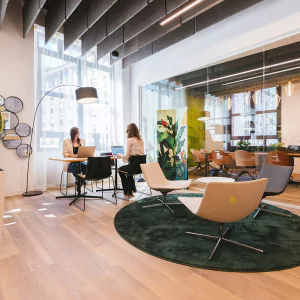

Hybrid Work in Coworking Spaces
For example, global companies like Google and Salesforce have embraced hybrid work policies, allowing employees to split their time between home, the office, and coworking spaces. The future of remote work in coworking spaces This approach not only enhances employee satisfaction but also reduces overhead costs for businesses. Coworking spaces, with their pay-as-you-go memberships and scalable solutions, are an ideal fit for this new way of working.
Work Life Balance
Employees can choose when and where they work, tailoring their schedules to their personal and professional needs. Companies save on long-term office leases by utilizing coworking spaces on an as-needed basis. Reduced commute time improves employee well-being and productivity. Access to Amenities Coworking spaces offer perks like high speed internet, meeting rooms, and coffee bars, creating a professional environment that rivals traditional offices.




Smart Offices and IoT Integration
The future of remote coworking spaces lies in technology. Smart offices equipped with Internet of Things (IoT) devices, such as automated lighting, temperature control, and desk booking systems, are enhancing the user experience. These technologies streamline operations and create a seamless environment for remote workers. For instance, IoT-enabled coworking spaces can track occupancy levels in real time, allowing members to find available desks or meeting rooms through a mobile app.
Technology Driving the Future of Coworking Spaces
Smart Offices and IoT Integration
The future of remote coworking spaces lies in technology. Smart offices equipped with Internet of Things (IoT) devices, such as automated lighting, temperature control, and desk booking systems, are enhancing the user experience. These technologies streamline operations and create a seamless environment for remote workers.
For instance, IoT-enabled coworking spaces can track occupancy levels in real time, allowing members to find available desks or meeting rooms through a mobile app. This not only improves efficiency but also ensures a safe and comfortable workspace. Additionally, smart energy management systems reduce operational costs and environmental impact, aligning with the growing demand for sustainable practices.
Virtual Collaboration Tools
Advanced collaboration tools like Zoom, Slack, and Microsoft Teams are integral to remote work. Coworking spaces are integrating these tools into their infrastructure, offering high-speed internet and virtual reality (VR) meeting spaces to bridge the gap between remote and in-person collaboration future of remote work in coworking spaces continues to evolve; these technological advancements are playing a pivotal role in creating seamless and immersive work environments.
By leveraging cutting-edge tools, coworking spaces are not only enhancing productivity but also redefining how teams connect and collaborate, whether they are working from across the street or across the globe. Imagine attending a virtual meeting in a coworking space equipped with VR technology, where you can interact with colleagues as if they were in the same room. This level of innovation is transforming the way we work, making remote collaboration more immersive and effective. As these technologies become more accessible, coworking spaces will continue to lead the charge in redefining workplace connectivity.
The Role of Coworking Spaces in Enhancing Productivity
Designed for Focus and Creativity
Coworking spaces are designed to cater to diverse work styles future of remote work in coworking spaces from quiet zones for deep focus to collaborative areas for brainstorming, these spaces provide an environment tailored to individual productivity needs.
The variety of workspaces available private offices, hot desks, and lounge areas ensures that every worker can find a setting that suits their tasks.For example, a freelance graphic designer might prefer a quiet corner to concentrate on a project, while a startup team might thrive in an open area where they can bounce ideas off each other. This flexibility is a key advantage of coworking spaces, enabling workers to maximize their productivity.
Community and Networking
One of the biggest advantages of coworking spaces is the sense of community they foster. Remote workers can connect with like-minded professionals, share ideas, and collaborate on projects, reducing the isolation often associated with remote work future of remote work in coworking spaces many coworking spaces host networking events, workshops, and social gatherings to facilitate these connections.Take WeWork, for instance, which has built a global community of entrepreneurs, freelancers, and remote workers. Members can tap into this network to find potential clients, partners, or mentors. This sense of belonging is a powerful motivator, driving creativity and innovation in ways that traditional offices often cannot.
The Impact of the Post-Pandemic World
The COVID-19 pandemic accelerated the adoption of remote work, forcing businesses to rethink their workplace strategies. Coworking spaces have emerged as a viable alternative to traditional offices, offering a safe and flexible solution for businesses and employees future of remote work in coworking spaces according to a report by McKinsey, 58% of Americans now have the option to work remotely at least one day a week, and coworking spaces are playing a crucial role in supporting this shift.
The Future of Coworking Spaces: Trends to Watch
Health and Safety Measures
Post-pandemic, coworking spaces have implemented stringent health and safety protocols, including regular sanitization, social distancing measures, and contactless technology. These measures have made coworking spaces a trusted choice for remote workers. For example, many spaces now offer touchless entry systems, air purification systems, and spaced-out workstations to ensure a safe environment.
Competition and Market Saturation
As the demand for coworking spaces grows, so does the competition. Providers must differentiate themselves by offering unique amenities, personalized services, and niche communities to attract and retain members for the future of remote work in coworking spaces. For instance, some coworking spaces are targeting specific industries, such as tech or healthcare, by providing specialized equipment or networking opportunities.
Maintaining Work-Life Balance
While coworking spaces offer flexibility, remote workers must still navigate the challenges of maintaining a healthy work-life balance. Coworking spaces can address this by offering wellness programs, relaxation zones, and flexible hours. For example, some spaces now include yoga studios, meditation rooms, and even nap pods to help members recharge during the workday.
Niche Coworking Spaces
The future will see the rise of niche coworking spaces catering to specific industries or demographics, such as tech startups, creatives, or women entrepreneurs. These spaces will offer tailored amenities and networking opportunities. For example, a future of remote work in coworking spaces for artists might include studios and galleries, while one for tech professionals might offer coding workshops and hackathons.
Sustainability and Green Design
As environmental concerns grow, coworking spaces are adopting sustainable practices, such as energy-efficient buildings, recycling programs, and eco-friendly materials. Green design will be a key differentiator in the future. For instance, some spaces are incorporating biophilic design elements, such as indoor plants and natural lighting, to create a healthier and more inspiring environment.
Global Expansion and Accessibility
Coworking spaces are expanding beyond urban centers, reaching suburban and rural areas. This trend will make coworking spaces more accessible to a broader audience, further supporting the remote work revolution. Companies like Industrious and Regus are already leading the way, opening locations in smaller towns and cities to meet the growing demand.
Conclusion
The future of remote work in coworking spaces is bright, driven by technological innovation, changing work preferences, and the need for flexibility. As hybrid work models become the standard, coworking spaces will play a pivotal role in shaping the way we work, connect, and thrive. By embracing emerging trends and addressing challenges, coworking spaces can continue to evolve and meet the needs of the modern workforce.
In this new era of work, the lines between home, office, and coworking spaces will continue to blur, creating a more dynamic and inclusive workplace ecosystem. Whether you’re a freelancer, a startup founder, or a corporate employee, coworking spaces offer a versatile and empowering solution for the future of work.